Solar ATAP limit
Going above the limit needs a TNB Connection Confirmation Check (RM1,000).

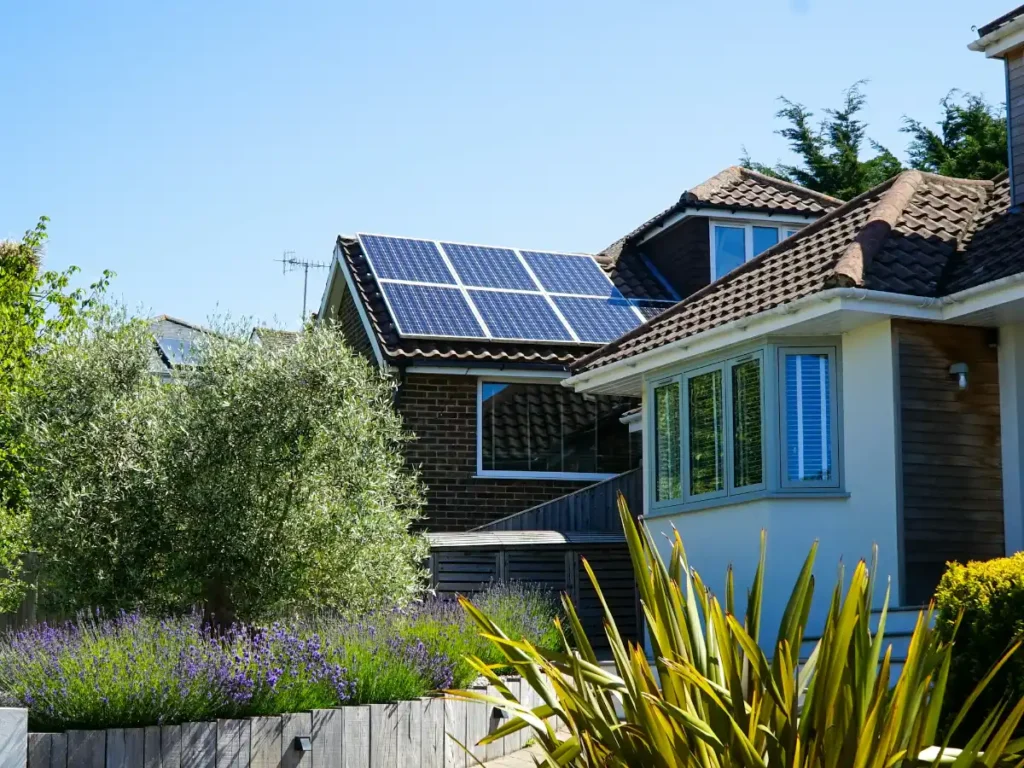
A residential solar system puts panels on your roof so your home uses its own electricity during the day and buys less from TNB. In Peninsular Malaysia, new home systems connect under Solar ATAP, the scheme that took over from NEM in January 2026.
Solar Plus doesn’t sell or install solar. This guide explains how home solar works, what to check before you buy, and where to read more, so you can talk to installers with confidence.
Last updated: 18 November 2026
PETRA sets the policy, the Energy Commission regulates it, and SEDA Malaysia implements it.
Peninsular Malaysia, for registered TNB customers.
Up to 5 kWac for single phase homes and up to 15 kWac for three phase homes.
Credited at the energy charge rate. Unused credit does not carry over to the next month.
10 years. After that, the system is for self consumption only.
A SEDA registered PV service provider (RPVSP) submits the application for you.
SuRIA Home, RM600 per kWac, up to RM3,000.
A home system powers your house first. Whatever you don’t use goes to the grid and earns a credit on your bill.
Panels on the roof produce electricity during daylight hours.
The inverter converts that power into the form your appliances use.
TNB installs a bidirectional meter, your installer fits a PV meter, and you bear the cost of both.
Self consumption saves the most, because every unit you use directly is a unit you don’t buy from TNB.
Exports offset your energy charge only. They can’t reduce the Automatic Fuel Adjustment (AFA), and excess credit is never paid out as cash.
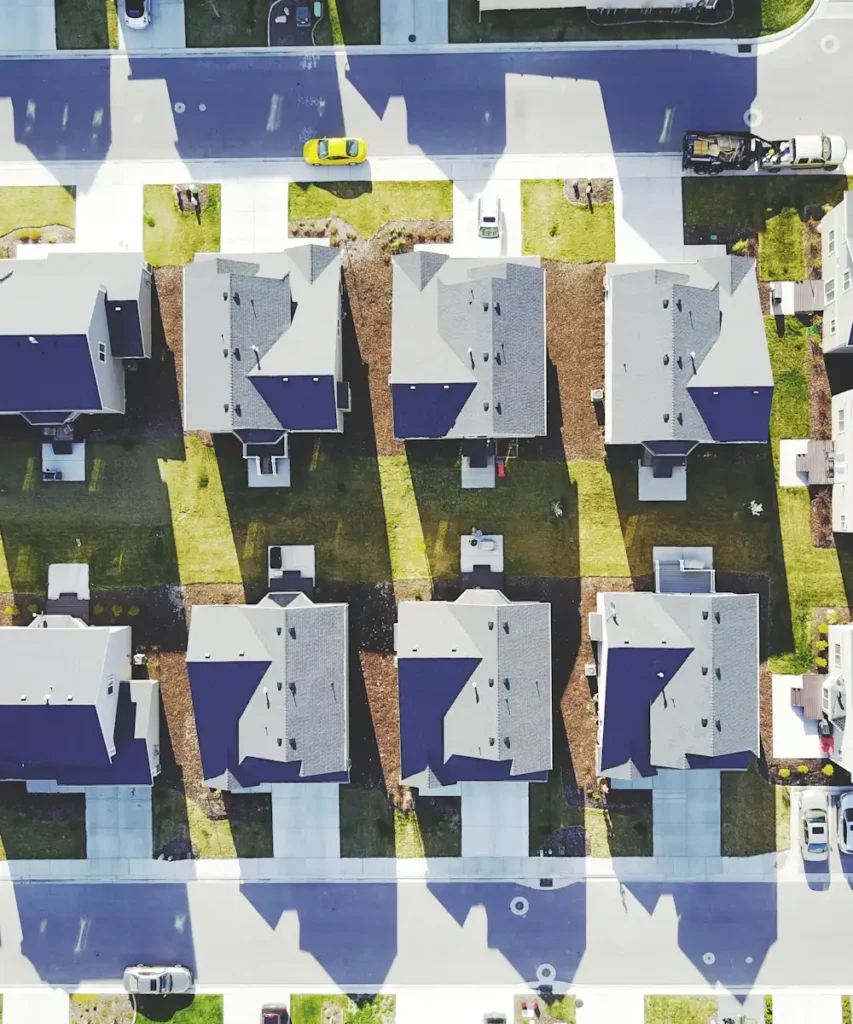
Most landed homes can take solar. The bigger questions are how much sun your roof gets and how much power you use during the day.
Terrace, semi D and bungalow owners with their own TNB account can apply. Accounts on tenant sub meters are not eligible.
Trees, water tanks and taller neighbouring buildings cut output, so check how your roof looks from morning to late afternoon.
Metal deck, clay tile and concrete roofs can all take panels, but fix an old or leaking roof first.
Homes that run aircon, fridges or a home office in the day get more value from each panel.
Solar ATAP covers Peninsular Malaysia only.
The right size follows your electricity use and usable roof space, not the biggest package that fits. Your meter phase also sets a limit.
Solar ATAP limit
Going above the limit needs a TNB Connection Confirmation Check (RM1,000).
Solar ATAP limit
Going above the limit needs a TNB Connection Confirmation Check (RM1,000).
The limit is in kWac, the inverter’s output. Panel capacity (kWp) can be a little higher, so check both figures on any quote.
Quotes vary with system size, equipment and roof work. Compare what each quote includes against the prices homeowners actually paid, not only the headline price.
Bigger systems cost more in total but usually less per kWp.
Panel and inverter brands, and whether you add a hybrid inverter or battery.
Mounting type, access and any repairs needed before installation.
The Solar ATAP application fee (RM7.50 per kW), meter costs, and the RM1,000 check for systems above the limit.
Upfront, bank financing, or zero upfront options such as solar leasing and power purchase agreements (PPA) through SEDA registered solar investors.
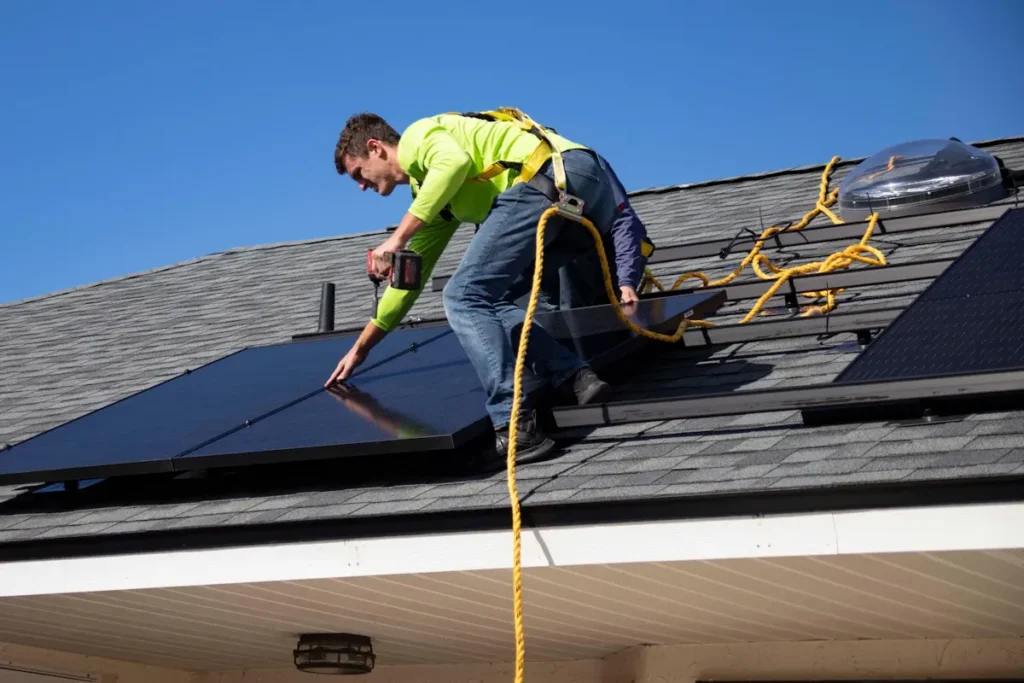
Your savings depend mostly on how much solar power you use yourself. Under Solar ATAP, using your solar power is worth more than exporting it.
Power you use directly avoids the full tariff, while exports only offset the energy charge.
Credit beyond what you import in a month is forfeited.
Tariff and AFA changes move your savings, so treat any savings figure as an estimate, not a promise.
The Solar ATAP contract ends and exports no longer offset your bill.
Most homes don’t need one to start. A battery stores daytime solar for the evening, which raises self consumption, but it adds a large cost.
Batteries are allowed, with extra design details in the application.
A standard grid tied system switches off during a blackout for safety, so backup power needs a hybrid inverter with a battery.
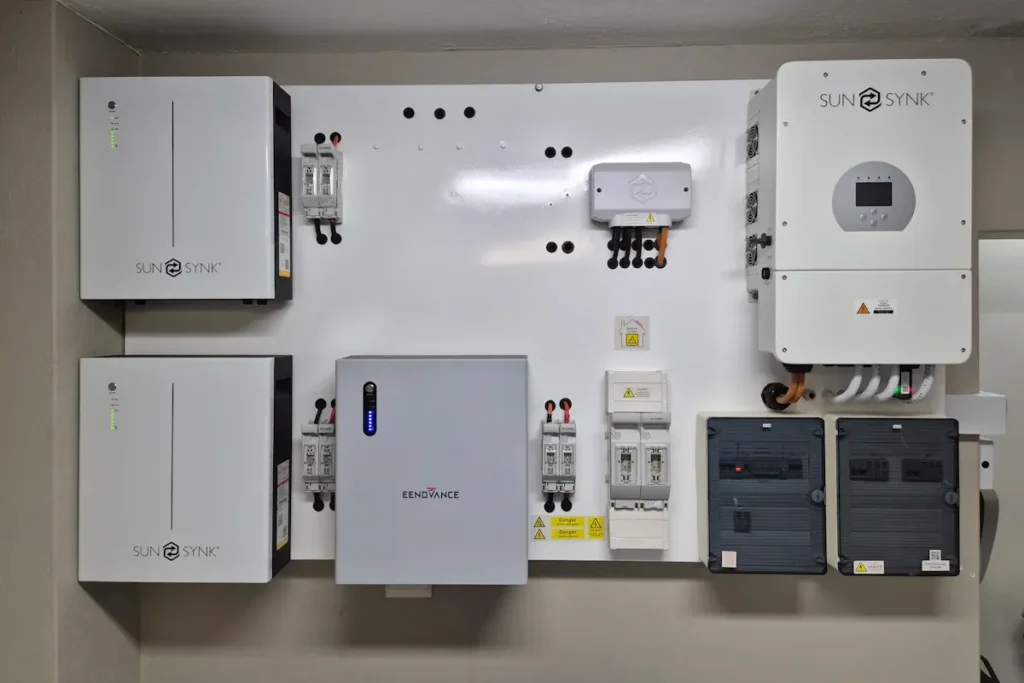
This is where most homeowners overpay: comparing headline prices instead of what each quote covers. Use these checklists.
The installer checks your roof, shade and meter.
You agree on the design, price and payment terms.
Panels, inverter and wiring go in.
A competent person tests and certifies the system.
Your RPVSP applies after the system is commissioned.
TNB installs the bidirectional meter, and your 10 year Solar ATAP contract starts.
Check generation in the monitoring app. A sudden drop usually points to dirt, new shade or a fault.
Keep the documents for panels, inverter and workmanship, and know who to call for each.
Ask your installer and TNB how the system and Solar ATAP account transfer before you list the property.
Accounts on tenant sub meters are not eligible for Solar ATAP. Even with your own TNB account, a condo unit needs roof space and management approval, which few buildings allow.
No. The Solar ATAP guidelines apply to Peninsular Malaysia. Homeowners in Sabah and Sarawak should check with their local utility for available schemes.
A standard grid tied system shuts down when the grid goes down, to protect people working on the lines. Backup power needs a hybrid inverter with a battery.
Existing NEM users can convert. The Solar ATAP contract then runs only for the time left on the NEM contract.
The Solar ATAP contract ends. Your system keeps running for self consumption, but exports no longer offset your bill.
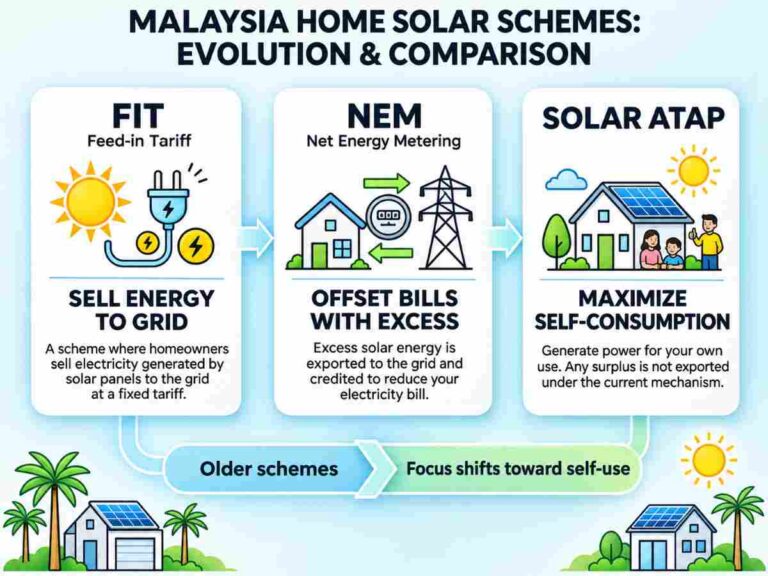
FiT, NEM and Solar ATAP work differently. Learn how Malaysia’s rooftop solar schemes changed and what the shift means for homeowners installing solar in 2026.
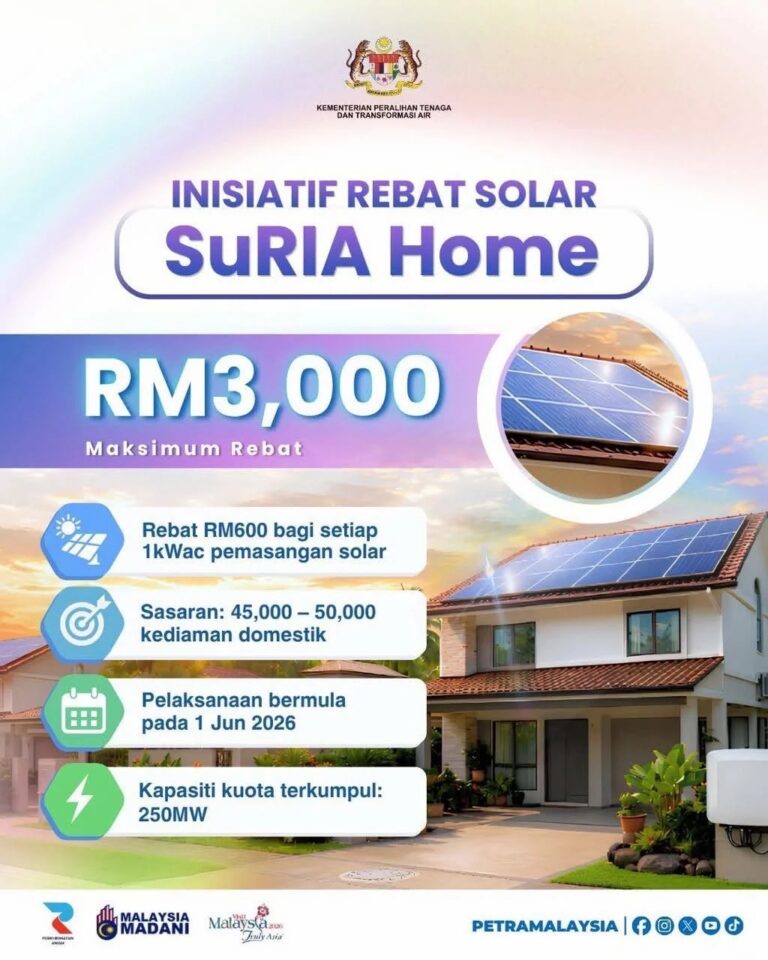
SuRIA Home offers rebates of up to RM3,000 for Malaysian homes installing solar under Solar ATAP. See who qualifies, the key conditions and how to apply.

Size a system too small and you miss savings; too large and you pay for power you can’t use. Learn to size and estimate savings.
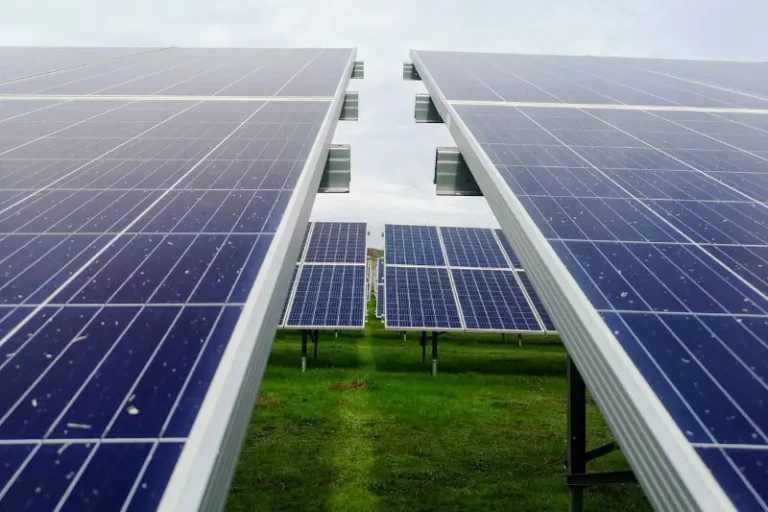
A panel’s wattage rating is the first number most buyers see, but it isn’t the whole story. Learn what 100W to 550W panels really mean.