

Electricity usage
Your monthly TNB bill helps estimate your likely system size, usage pattern, and possible solar savings.
Solar Plus is an information hub for homeowners and business owners exploring rooftop solar options, Solar ATAP basics, estimated savings, and practical installation steps.
Instead of pushing a quote first, this homepage explains the main decisions Malaysian users normally need to evaluate.
Your monthly TNB bill helps estimate your likely system size, usage pattern, and possible solar savings.
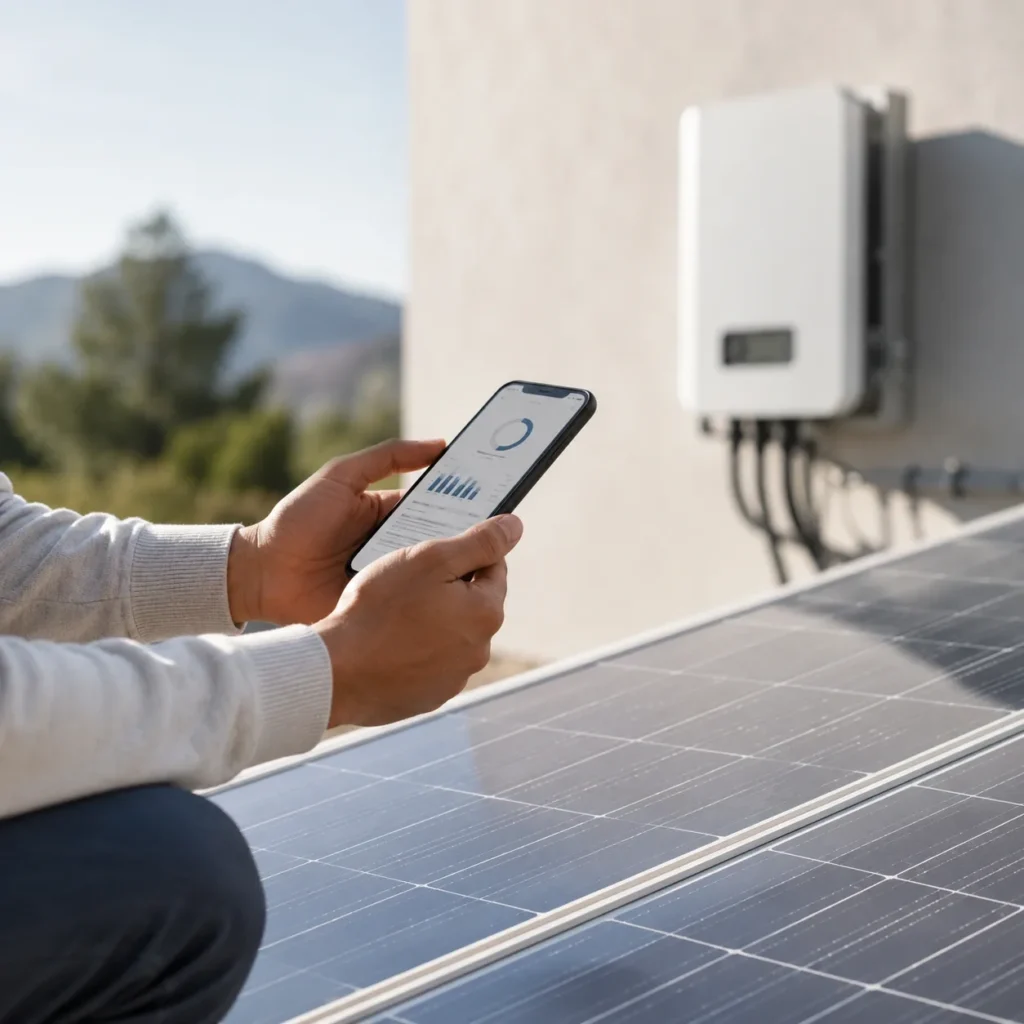
Solar ATAP is Malaysia’s current rooftop solar programme, affecting how exported solar energy is credited and how savings are calculated.

Not every roof is equal. Orientation, shade, available space, and structure determine how much solar can realistically be installed.

Panels are only one part of the system. Inverter choice, warranty terms, monitoring, and upkeep shape the long-term value you receive.
Solar ATAP is Malaysia’s current rooftop solar programme following the previous NEM framework. It helps eligible users offset electricity usage by exporting excess solar energy to the grid, based on the applicable programme rules.
Final eligibility, system capacity, fees, and approval may depend on current official guidelines, technical assessment, and your property condition. Always check the latest requirements before making a decision.
Solar ATAP replaces NEM 3.0 as Malaysia's rooftop solar programme from 1 January 2026. It is regulated by the Energy Commission and implemented by SEDA under PETRA.
Actual rates and rules are set by SEDA. Refer to atap.seda.gov.my for current guidelines.
Solar ATAP is relevant to a wider set of properties than earlier NEM schemes.
Roof ownership is a baseline requirement. The TNB account holder's name usually needs to match the applicant.
Before starting an application, verify the details that shape eligibility and system sizing.
Final eligibility, fees, and approval remain with SEDA and TNB based on the property's specifics.
For terrace, semi-D, and bungalow homes, four things decide the right system: usage, meter phase, roof space, and shading.
For offices, shops, and factories, daytime load and maximum demand usually decide whether solar pays off.
Industrial sites need more careful feasibility checks, electrical infrastructure review, and staged project planning.
These examples show how Solar ATAP questions change between homes, businesses, and larger facilities. Figures are illustrative and should be checked against current SEDA and installer guidance.
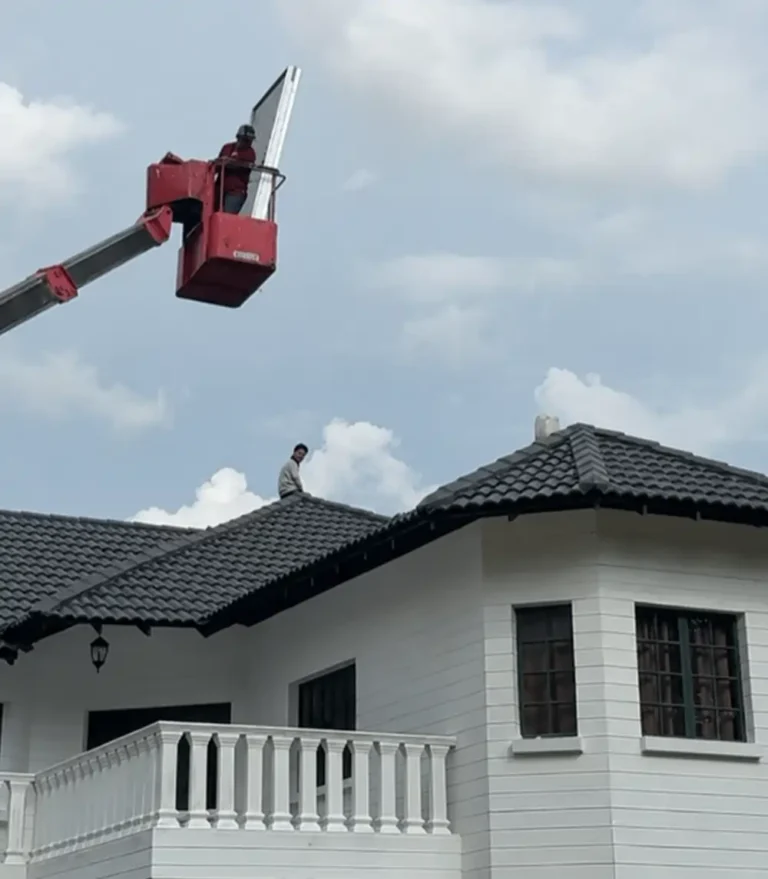
A double-storey terrace owner facing rising monthly electricity bills can apply for Solar ATAP through a SEDA Registered PV Service Provider (RPVSP), install a 4-6kW rooftop system, and offset most of their daytime consumption. Surplus is exported at the prevailing retail tariff, and the household may qualify for the SuRIA Home rebate to reduce upfront installation cost, turning a fixed monthly bill into a smaller, more predictable one.
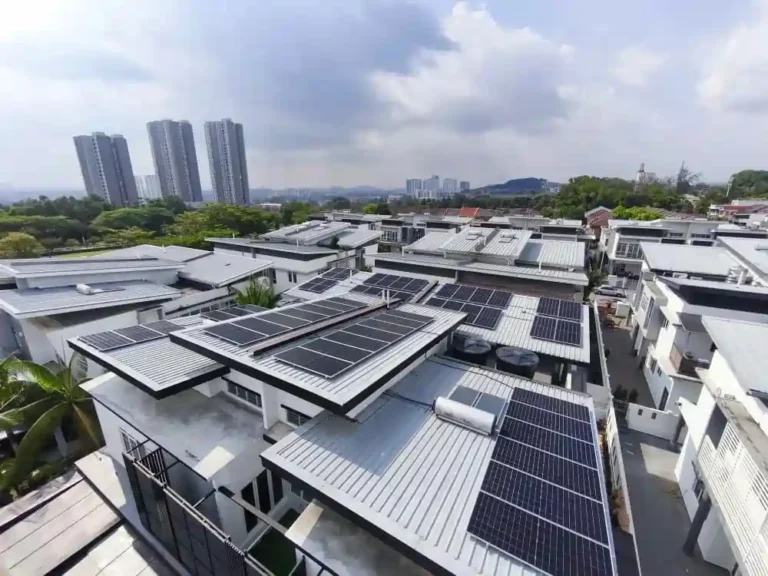
A corner shoplot running daytime kitchen and cooling loads can install a 15-30kW system under Solar ATAP's non-domestic terms, self-consume the bulk of generation during trading hours, and export surplus at System Marginal Price (SMP). This directly reduces commercial TNB charges during peak operating windows and shields the business from future tariff hikes, protecting margins that would otherwise thin as electricity costs rise.
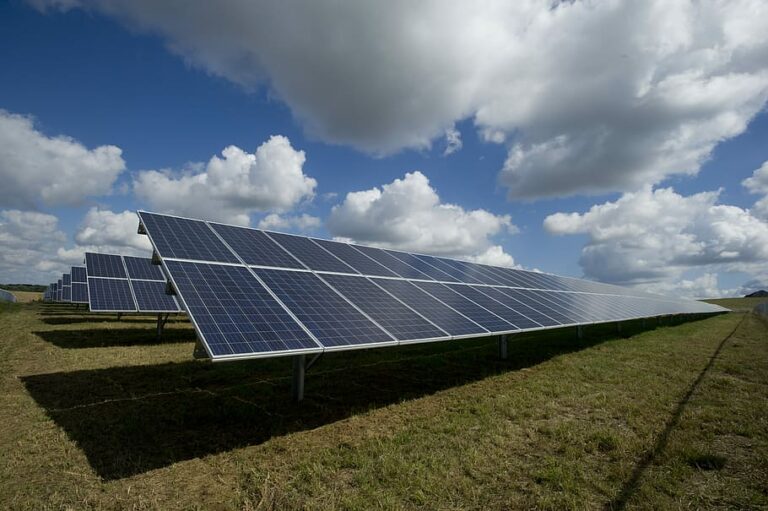
An SME factory with a 2,000m² metal deck roof can deploy a 100-300kW Solar ATAP system to offset weekday production loads, export surplus energy at SMP, and generate documented emissions reductions. This addresses two pressures at once: the operational cost of running heavy machinery on TNB power, and the growing sustainability requirements from export buyers and ESG-conscious clients seeking lower Scope 2 emissions.
Drag the slider to match your monthly TNB bill. This quick estimate gives a simple first view of possible monthly savings, payback, and long-term value.
Check usage pattern, meter phase, roof size, and shading.
Map a likely system range and expected generation.
Review connection requirements before formal submission.
Proceed only after the project scope and approvals are clear.
No. Solar Plus is not a solar installer or direct sales company. It is a solar knowledge hub created to help Malaysians learn about solar energy, compare key information, and make more informed decisions before going solar.
Should I still compare solar installers? Yes. Solar Plus does not recommend or sell installer packages, but it is still important to review different solar providers if you plan to install a system. Compare their experience, warranties, equipment brands, project scope, after-sales support, and customer reviews before making a decision.
No. Savings depend on actual usage, tariff, system size, weather, shade, and approval conditions.
What should I prepare before learning about solar? Start with your monthly electricity bill, property type, roof condition, available roof space, meter phase, and location. These details can help you better understand solar system sizing, estimated savings, and whether rooftop solar may be suitable for your home or business.